
Process Addiction Treatment Center in Florida

Compulsive behavioral health problems such as obsessive shopping, gambling, and sexual addiction can be hard to stop without professional therapy and intervention at a process addiction treatment center. Conditions like these that often co-occur with substance use disorders are known as process and behavioral addictions.
Because we understand that not everyone identifies with having a substance use disorder, we created our Residential Mental Health Program in a dedicated space separate from the rest of Hanley Center.
In addition, our mental health center has its own 24/7 nursing and medical care unit to enhance privacy and confidentiality while you receive treatment for your process addiction.
What Are Process Addictions?
Process addictions are characterized by compulsive behaviors or activities that a person repeatedly engages in despite negative consequences.
Why Process Addictions Are Hard to Resist
Patients who believe their wellbeing and happiness depend on certain activities and outcomes often find that their personal relationships suffer tremendously. As you build up a tolerance to the risk—for example, with the process addiction of gambling—you may decide to bet more money or gamble more frequently in hopes of getting a bigger potential payoff.
With the process addiction of compulsive shopping, you may be unable to resist the urge to order more merchandise online despite mounting credit card debt. The adrenalin rush that occurs as packages arrive feels powerful and triggers the desire for more extreme, unrealistic shopping-induced pleasures.
MENTAL HEALTH DISORDERS
Common Process Addictions
At Hanley Center, we specialize in helping patients recover from substance use disorders as well as behavioral addictions and health issues that co-occur with the disease of addiction. Process addictions may go unnoticed or be unknowingly encouraged by friends, family, and co-workers for long periods. Our process addiction treatment centers help identify the root issues of process addictions and compulsive behaviors.
Body Dysmorphic Disorder
Patients who are obsessed with physical perfection may go to extreme means to look a certain way. You may focus on tanning your skin or have multiple plastic surgeries to change your appearance to fit a perceived physical ideal or change something to match the appearance of other people in your social circle. Body dysmorphic disorder treatment may include Cognitive Behavioral Therapy (CBT), which helps you replace negative thought patterns with positive ones.
Exercise Addiction
Patients who take exercising too seriously or to the level where they continue to run, cycle or workout despite injury and exhaustion may have an addiction to exercise. Rather than rest, these patients push their bodies to extremes. Unlike some process addictions, where the goal is to eliminate the behavior, exercise addiction treatment often aims reduce exercise regimens to a moderate and healthy level. Treatments may also focus on improving self-esteem or addressing distorted boy image issues.
Work Addiction
There can be a strong tendency to sacrifice personal health for success in the workplace. When a patient’s desire for approval and recognition gets out of control, your mental, emotional, physical, and relational health with loved ones can suffer. Workaholism is often encouraged by society, and individuals with this process addiction may use it to justify an unhealthy and compulsive drive for recognition, approval, and success. The Hanley Center offers evidence-based work addiction treatment therapies tailored to your unique needs and focused your comfort, privacy, and long-term recovery goals.
Gambling Addiction
When patients risk something of value like their retirement savings or assets in the hopes of gaining something, they perceive as having an even greater value, like the thrill of cashing gambling chips at the casino or a winning ticket at the racetrack, your gambling habit may be something you are unable to stop without help. Hanley Center offers proven gambling addiction treatment therapies to help you or your loved one get the help needed to understand the underlying cause of the addiction and replace compulsive gambling with healthy habits.
Shopping Addiction
Shopping and spending money regardless of having great or small financial means can be a strong compulsion, especially if what you purchase is more than what you need for your daily existence. At Hanley Center, we understand shopping addiction treatment requires a holistic approach that addresses all the aspects of addiction and compulsive behaviors. We can help you understand and overcome the underlying psychological causes of your shopping addiction.
Sex, Love and Relationship Therapy
Patients who jump from one amorous relationship to another or have multiple romantic relationships are destructive to everyone, including themselves. These compulsive patterns have nothing to do with actual love and are harmful to all those involved. If you or your loved one need help overcoming love and relationship addiction, our process addiction treatment centers in Florida can help.
Smartphone Addiction
Continually checking your cellphone or other smart devices may be a sign that you are unable to pull yourself away. You may find that loved ones point out that you are ignoring them in lieu of scrolling the internet, or you may feel anxiety when your phone is not in your hand. Some patients even describe feeling phantom vibrations when their phone is not with them.
Social Media Addiction
Compulsively posting photos on social media channels rather than engaging with loved ones and checking for how many likes and reactions you get to your posts can be signs of social media addictions. Continually scrolling through other people’s profiles and comparing your life to their carefully curated ideals can also become an obsession. Comprehensive smartphone addiction treatment and social media addiction treatment are available at Hanley to help you understand the thoughts and emotions contributing to addictive patterns and create new, healthier habits.
Cyber Addiction and Video/Internet Gaming Addiction
Playing video games online or alone for hours at a time rather than engaging socially with real people indicates a compulsive desire. If loved ones notice your personal hygiene, work, and sleep patterns are suffering, you need help.
Self-harm Addiction
When patients experience an inability to feel emotions, they may turn to actions of physical self-harm like cutting their skin. These impulses can turn compulsive when physical pain is used to numb out emotional pain. If you or a loved one is practicing self-harm, Hanley Center can help with proven self-harm addiction treatment modalities such as Cognitive Behavioral Therapy (CBT), Dialectical Behavioral Therapy (DBT), and psychodynamic (individual and group) therapies.
Treating Process Addictions
When patients are unable to engage in their process or behavioral addiction of choice, they experience withdrawal in their minds and bodies. Although process addictions can be difficult to treat, recovery is possible.
At Hanley Center, our treatment methods for behavioral addictions include:
- Psychological testing and support for compulsive disorders other co-occurring mental health disorders.
- Individual psychotherapy to address triggers associated with process addictions.
- Advanced trauma therapies to tackle the core issues related to your addiction.
- Psychopharmacology and medication management.
- Group counseling to help eliminate shame and unveil solutions with peers.
- Support groups for process addiction, including 12-Step programming and fellowships.
Frequently Asked Questions (FAQ) – Process Addictions
What are process addictions?
Process addictions, also known as behavioral addictions, involve compulsive engagement in rewarding non‑substance behaviors such as gambling, gaming, sexual activity, shopping, or eating, which persist despite negative consequences. These behaviors hijack the brain’s reward system similarly to drug addictions.
How do process addictions differ from substance use disorders?
While substance use disorders involve chemical ingestion, process addictions involve behavior. However, both types of addiction share core features: craving, loss of control, escalation, adverse life impacts, and persistence despite consequences. In process addictions, the “substance” is the behavior itself.
What are common signs of a process addiction?
Signs may include:
-
Preoccupation with the behavior (e.g., frequent gambling, gaming, or buying)
-
Need to increase frequency or intensity of behavior to get the same effect
-
Repeated unsuccessful attempts to stop or cut back
-
Continuing the behavior despite major life problems (financial, relational, occupational)
-
Using the behavior to relieve stress, anxiety, or escape emotional pain
-
Feeling restless, irritable, or anxious when unable to engage in the behavior
What causes process addictions?
Process addictions can emerge due to a combination of factors: genetic vulnerability, brain‑reward sensitivity, trauma or chronic stress, emotion regulation difficulties, maladaptive coping skills, and social or environmental triggers. Early exposure to addictive behaviors or family history may increase risk.
Can process addictions co‑occur with other disorders?
Yes. Process addictions frequently co‑occur with substance use disorders, mood disorders (depression, bipolar), anxiety disorders, trauma‑related conditions (PTSD), and personality disorders. Integrated treatment is critical for addressing all contributing issues together.
Are process addictions treatable?
Absolutely. Evidence‑based approaches such as Cognitive Behavioral Therapy (CBT), Dialectical Behavior Therapy (DBT), Motivational Interviewing (MI), and relapse prevention work effectively. Many programs combine therapy, psychoeducation, skills training (e.g., impulse control, emotional regulation), support groups, and lifestyle changes.
How does Hanley Center treat process addictions?
Hanley Center offers age‑ and gender‑specific treatment programs with an integrated approach to process addictions and co‑occurring disorders. Our multidisciplinary team provides diagnostic clarity, trauma‑informed care, individual and group therapy, family programming, and after‑care planning tailored to behaviors like gambling, gaming, shopping, or eating disorders.
When should someone seek help for a process addiction?
Consider seeking professional help if you or a loved one:
-
Cannot stop or control the behavior despite serious consequences
-
Has trouble functioning at work, school or home due to the behavior
-
Feels guilt, shame or secrecy about the behavior
-
Uses the behavior to escape or numb emotional pain
Early intervention improves outcomes and supports sustainable recovery.
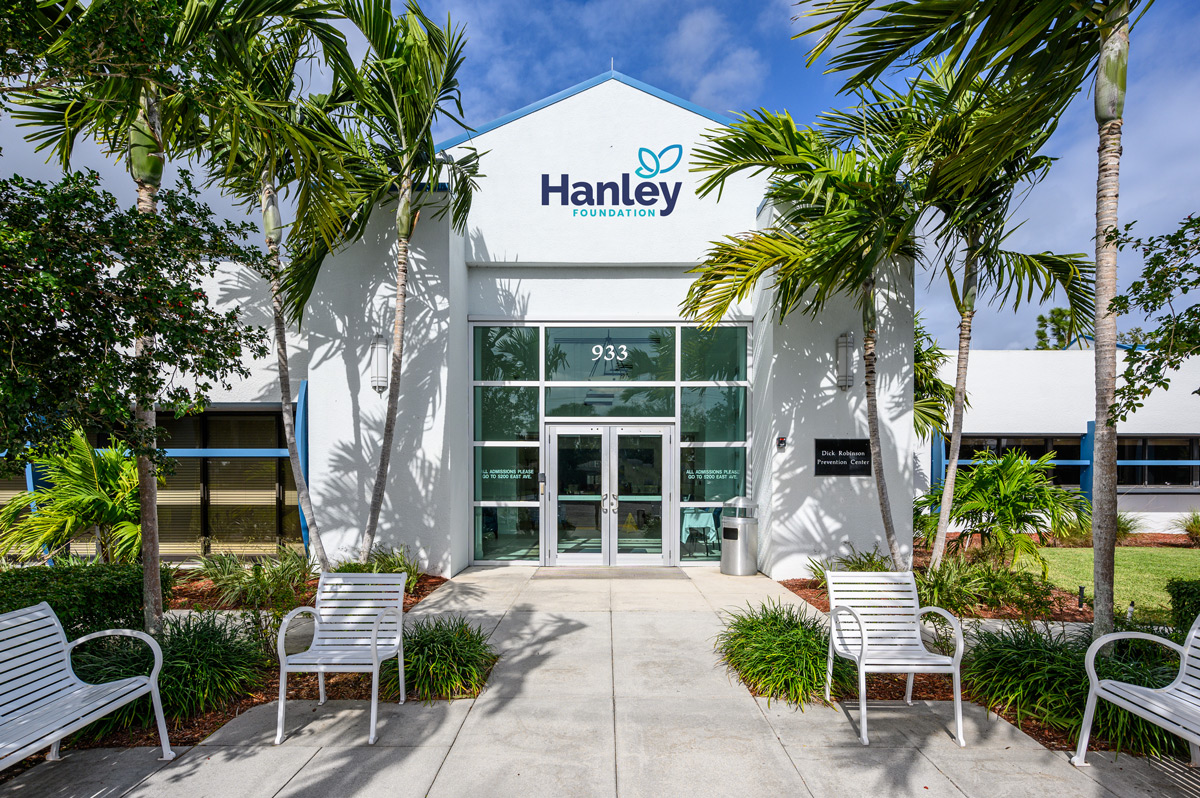
When You Are Ready to Recover, We Are Here to Help
Hanley Center recognizes that process addictions and substance use disorders are interrelated. But psychological, physical, and spiritual recovery is possible.
Call and begin your journey to wellness at our process addiction treatment centers in West Palm Beach, FL, today: (561) 841-1033.
Insurance Can Cover up to 100% of Treatment
We offer free, no obligation health insurance benefit checks. If you are currently insured, your treatment could be covered partially or in full.
Information entered on this form will not be used to initiate SMS.
Address: 933 45th Street
West Palm Beach, FL 33407