At Hanley, we’re committed to educating individuals and families about emerging threats in the substance use landscape. One such concern is 7‑Hydroxymitragynine, or 7‑OH, a concentrated and potent derivative of the kratom plant. Nicknamed “legal morphine” for its intense opioid-like effects. Kratom is a substance often marketed as “natural” or “herbal” and has been used traditionally in Southeast Asia for its stimulant and sedative properties. Modern extracts like 7-OH present a much stronger and dangerous version of the plant’s effects.
What Exactly Is 7-OH?
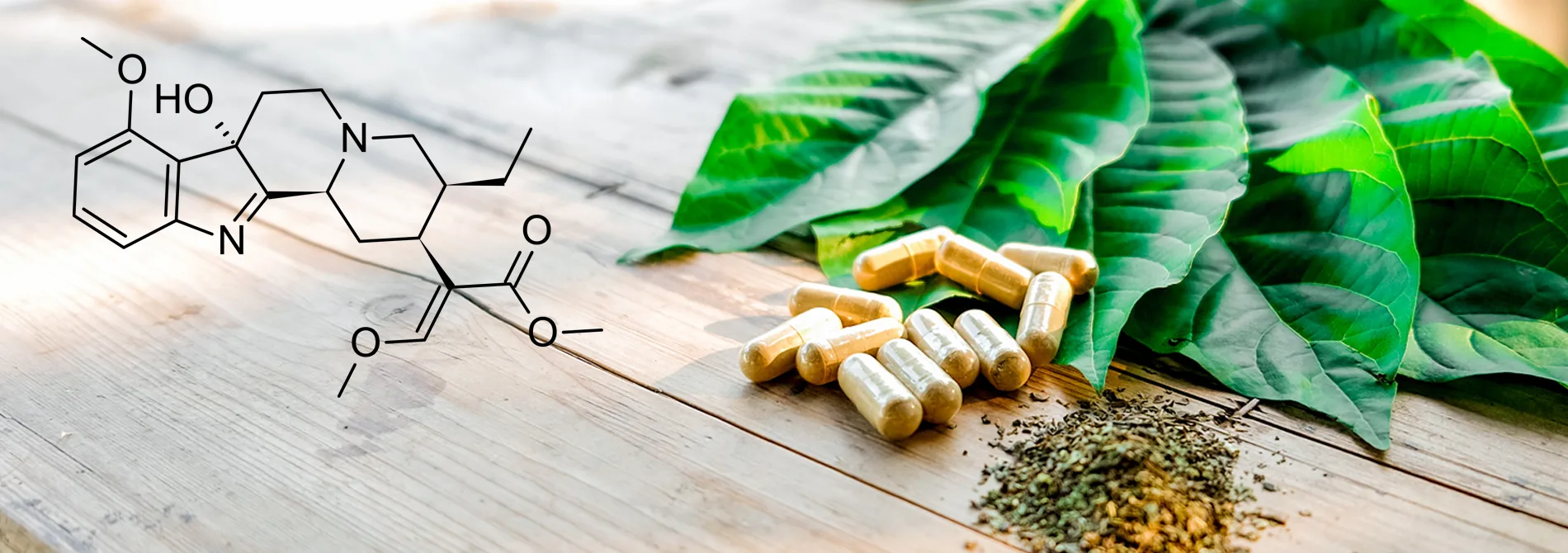
7-OH, or 7-hydroxymitragynine, is a concentrated alkaloid found in small amounts in the leaves of the kratom plant (Mitragyna speciosa). It is one of the most active compounds responsible for kratom’s opioid-like effects and is thought to be up to 13 times more potent than morphine by weight in its interaction with the brain’s opioid receptors.
Some kratom manufacturers now extract and concentrate 7-OH into oils, powders, capsules, and even vape products, creating a far more powerful and addictive substance than traditional kratom teas or leaves.
Widely Available in Everyday Retail
Across much of the U.S., you can find 7‑OH products at gas stations, smoke shops, and convenience stores, often packaged as tablets, gummies, drink mixes, shots, or energy boosters. These formats, marketed as “natural” or “herbal,” make the drug all too accessible. 7-OH has been recently banned in the state of Florida.
Hanley Center’s Chief Clinical Officer Dr. John Dyben on WPBF News
Alarming 7-OH Trends Among Young People
Emergency departments across the country are seeing a troubling surge in incidents related to 7‑OH, especially among individuals under age 25. Presentations include addiction, overdose-like symptoms, severe sedation, respiratory depression, and other serious health crises.
Why Is 7-OH Dangerous?
Although kratom is sometimes marketed as a “natural alternative” to opioids or a wellness aid, concentrated forms like 7-OH come with significant health risks:
- High Potency: 7-OH can produce powerful euphoric and sedative effects, increasing the risk of dependency and overdose—especially when mixed with other substances.
- Lack of Regulation: Kratom and its derivatives like 7-OH are not FDA-approved, and products can vary wildly in strength and purity.
- Respiratory Depression: In high doses or when combined with depressants like alcohol or benzodiazepines, 7-OH may lead to slowed breathing and even death, just like traditional opioids.
- Addiction Risk: Because of its opioid-like effects, repeated use of 7-OH can result in withdrawal symptoms, compulsive use, and long-term dependence.
Signs of 7-OH or Kratom Misuse
Whether someone is using kratom or concentrated forms like 7-OH, it’s essential to recognize the warning signs of misuse:
- Increased tolerance or dosage
- Physical withdrawal symptoms (nausea, muscle aches, anxiety)
- Sedation or confusion
- Changes in sleep, appetite, or mood
- Isolation or secrecy around use
If you or a loved one is exhibiting these signs, it may be time to seek professional support.
At Hanley, We’re Prepared to Help
7‑OH reminds us that even products marketed as “natural” can be hazardous. If you or someone you care about is struggling with kratom-derived substances, know that you’re not alone, and recovery is possible.
Hanley Center provides:
- Medically supervised detox programs
- Age- and gender-specific residential and outpatient care
- Specialized support for veterans, first responders, pregnant women, and older adults
- Trauma-informed therapy and addiction treatment rooted in clinical excellence
Take the First Step Today
If 7‑OH or any kratom-related product is impacting your life or the life of someone you care about, reach out. Our team is ready to help with compassionate guidance.
Call Hanley Center at 561‑841‑1033 to speak confidentially with an admissions specialist.