
Latest Articles

11 Signs of Emotional Abuse
We all know physical abuse is bad. Hitting, pinching, pushing, restraining, or otherwise hurting someone physically to get what you want is never ok. In addition to being physically harmful and sometimes fatal, physical abuse increases someone’s risk of depression,...

What is Spirituality?
Dr. John Dyben, DHSc, MCAP, CMHP | Chief Clinical Officer When I would ask that question ten years ago, most people would respond by describing religion. Today, my experience is that there is a more common perception that spirituality and religion are two different...

Why Are Women More Prone to Anxiety Disorders?
Women are about twice as likely as men to suffer from an anxiety disorder, and women are more likely to experience symptoms at a younger age. Anxiety orders include generalized anxiety disorder, social anxiety disorder, panic disorder, post-traumatic stress disorder,...

4 Beliefs that Contribute to Addiction
Addiction is often characterized as irrational and compulsive behavior related to a particular substance or habit. The substance is so compelling that, given the opportunity, a person with a substance use disorder can’t help using. This helps to explain why many...
Why Are Intelligent People More Prone to Mental Illness?
High Intelligence Disorders Anxiety, Depression, and Intelligence Higher intelligencehas many advantages. Higher IQ is associated with better grades, better jobs, higher pay, and even longer life. However, intelligence has drawbacks too. For example, studies have...
Is Intelligence a Risk Factor for Addiction? What the Research Reveals
Updated 7/10/2026 What the Research Shows The major risk factors for addiction include genetics, having a parent or sibling with a substance use disorder, childhood abuse or trauma, using drugs or alcohol at an early age and mental health conditions such as...
Parental Toxic Enabling of Adult Children
Stephen R. Honaker, LMHC, QS I was recently speaking with a former patient, who is a first-time father to a nine-month-old daughter, about the strength of parental love. As the conversation progressed, I described to him in some detail the birth of my daughter (who is...
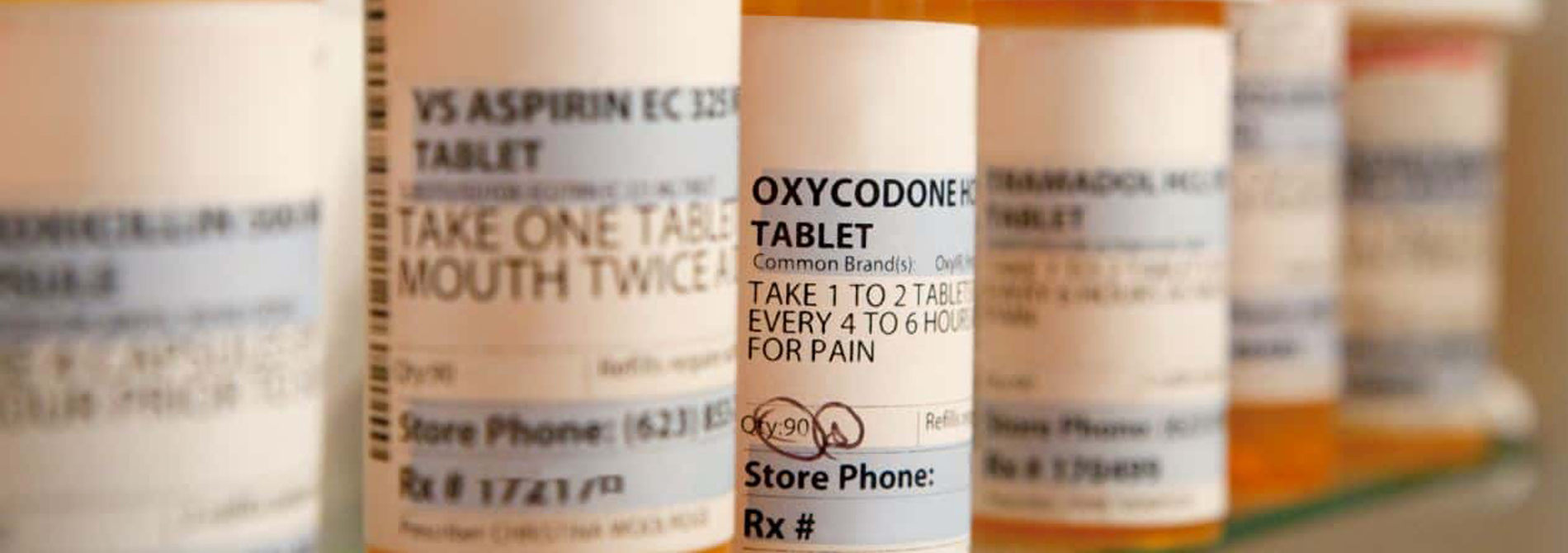
The 4 Most Dangerous Prescription Drugs
There’s an old saying that the difference between medicine and poison is the dose. That’s more true now than ever. Many people make the mistake of believing that if a drug is prescribed by a doctor, it must be safe. While drugs prescribed by a doctor are typically...

How Hard is it to Quit Vaping? What Research Says — and How to Break Free
Updated 7/1/2026 Quitting vaping is often harder than people expect. What starts as occasional use can quickly become a daily habit driven by nicotine dependence and routine. Many people experience strong cravings and withdrawal symptoms, especially in the first few...

How Depression and Social Anxiety Disorder Are Connected
There is a large overlap between people who suffer from major depression and people who suffer from social anxiety disorder. This makes a certain amount of sense to anyone who has struggled with either or both of these conditions. Depression causes you to be irritable...
6 Ways to Have More Energy For Addiction Recovery
We all could use more energy, and that’s especially true for anyone starting out in addiction recovery. There are several reasons someone just starting her recovery journey may be feeling tired, lethargic, and unmotivated. One is poor nutrition. Many addictions cause...
The Case Against the Sinclair Method
The Sinclair Method Debunked The Sinclair Method is a treatment for alcoholism that uses the drug naltrexone to disrupt the pleasurable aspect of drinking. Naltrexone is an opioid antagonist that binds to mu receptors in the brain. The endorphins produced by drinking...

What is Pseudoaddiction?
Pseudoaddiction is a term coined in 1989 to describe the phenomenon of patients with pain being under-treated. The idea is that patients with legitimate pain that could be alleviated with opioid painkillers exhibit drug-seeking behavior that is misinterpreted as...

Signs of a Cocaine Addiction
Cocaine use has become an increasing concern in the United States, affecting individuals and families across all backgrounds. In fact, according to a report published by the National Institutes of Health, fatal overdoses from cocaine have been increasing exponentially...

10 Things Sponsorship Is and Isn’t
Sponsorship is an important part of life after treatment and an integral part of a person’s lifetime journey through recovery. It is part of our continuing care, and is not a formal part of residential or outpatient care. Very little was written on the topic in the...

Intimacy in Counseling
Open your favorite academic search engine and query “intimacy in counseling” or some variation on that theme. The vast majority of articles, chapters and books you will find referenced address how counselors help patients deal with intimacy in their relationships....

What We Believe About Addiction Matters
By Dr. John Dyben, DHSc, MCAP, CMHP, MFT - Chief Clinical Officer In modern society, there are numerous issues that impact individuals, families, and society as a whole. Crime, war, disease, and poverty are a few. What we believe about these and other issues is a...
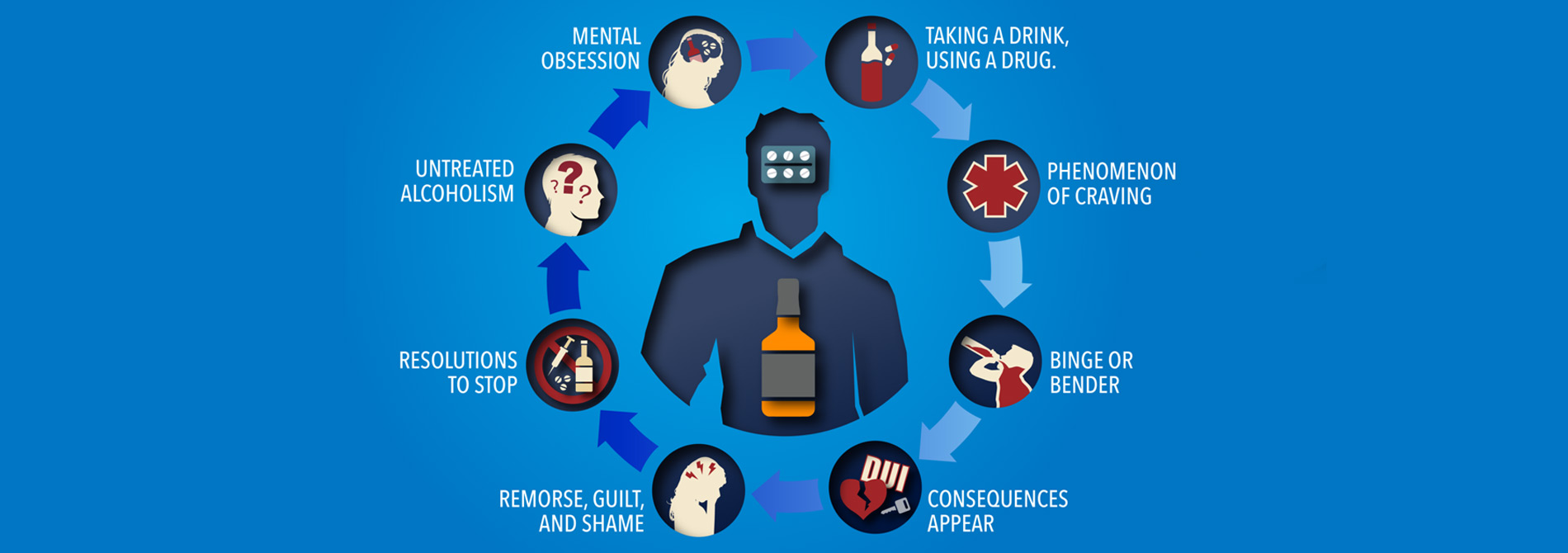
The Cycle of Addiction and Alcoholism
Taking a Drink, Using a Drug It begins when a person has one or two drinks or recreationally uses drugs. Their intention is to moderate or for their use to not get out of control. It's most often accompanied by a rationale of, "I'm just going to have a couple to...
Why Do People Drink Alcohol?
For most people, a drink or two can be a way to celebrate an occasion or compliment a nice meal. Others may not enjoy alcohol at all; they don’t like the taste, they don’t like the sensation of being tipsy, or they don’t like feeling out of control. If you happen to...
Fast Facts About Meth Addiction, Psychosis and Withdrawal
Methamphetamines, more commonly referred to as crystal meth or meth, are some of the most devastating illicit drugs available today. Meth is a powerful drug that can instantly open the door to misuse, dependence, and addiction. Crystal methamphetamine is a central...
Information entered on this form will not be used to initiate SMS.
Address: 933 45th Street
West Palm Beach, FL 33407